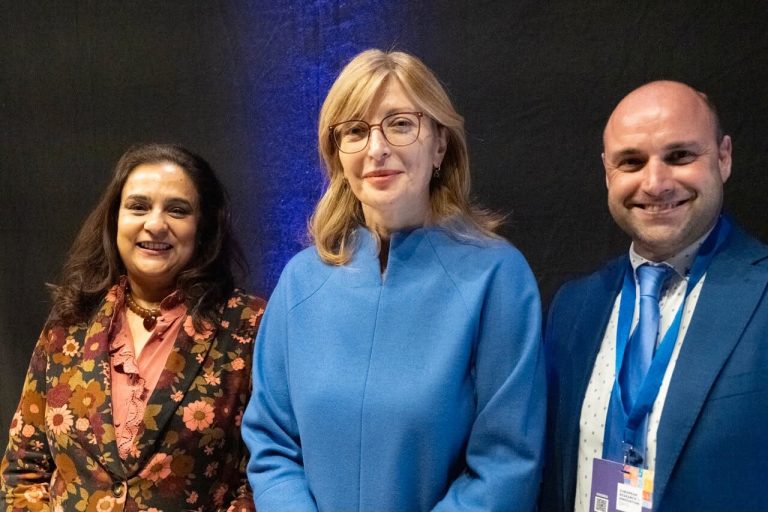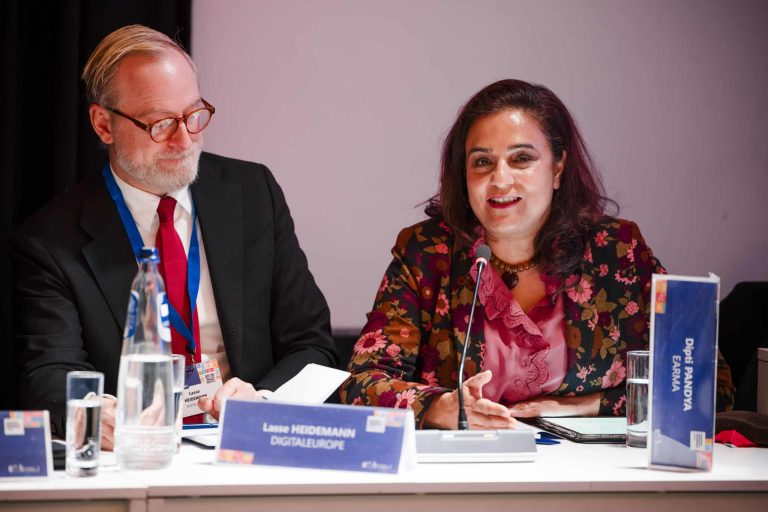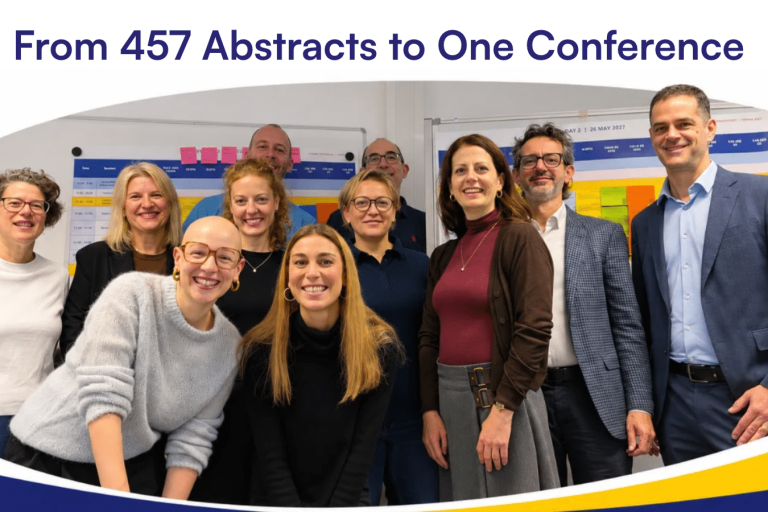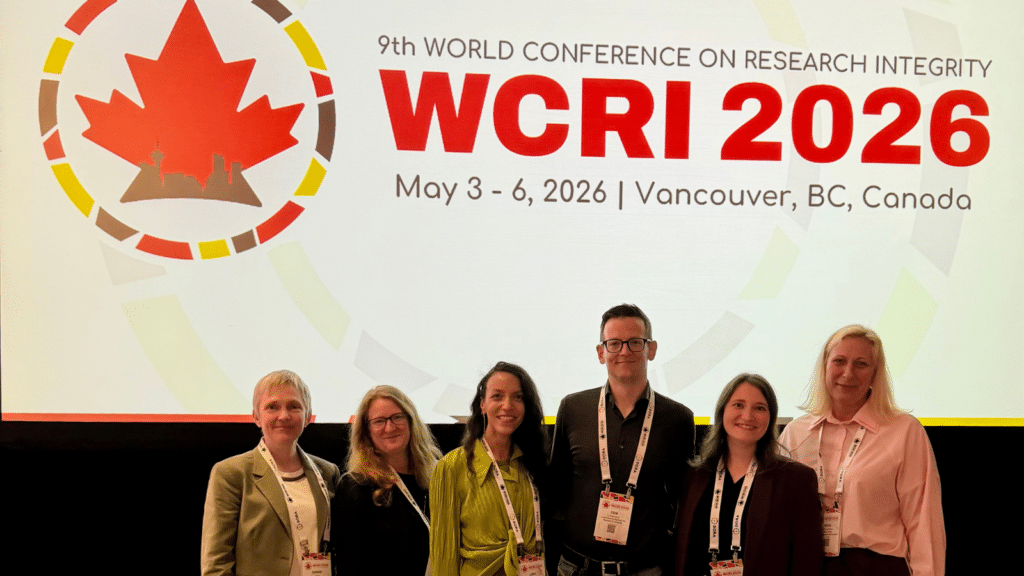
From May 3–6, 2026, researchers, research managers, practitioners, policymakers, and organisations from across the globe gathered in Vancouver for the World Conference on Research Integrity (WCRI 2026). The event provided an important platform for dialogue on some of the most pressing challenges and developments shaping research integrity and responsible research practices today.
This year’s conference focused on three key themes: Artificial Intelligence (AI), Research Security, and Indigenous Knowledge Systems. Together, these themes reflected the increasingly complex environment in which research is conducted and highlighted the need for approaches that ensure science remains ethical, trustworthy, and inclusive.
A recurring message throughout the conference was the importance of maintaining research systems that are open, responsible, inclusive, and ethical, particularly against a backdrop of growing geopolitical tensions and rapidly evolving technological developments. Discussions repeatedly returned to the core values that underpin responsible research practice: reliability, honesty, respect, and accountability. Participants explored how these principles can be applied and strengthened across different disciplines, institutions, and global contexts.
Several important topics generated significant discussion during the conference.
One key issue was the growing challenge of paper mills and research misconduct. Sessions highlighted increasing concerns around fraudulent publishing practices and explored ongoing efforts aimed at safeguarding the integrity of the scientific record. Strengthening mechanisms for detection, transparency, and prevention emerged as a common priority.
Another major theme centred on bias in AI systems and technologies. Discussions emphasised concerns that many current AI models are predominantly built on Western-centred datasets and perspectives, potentially overlooking diverse cultural contexts and forms of knowledge. Participants highlighted the importance of developing AI systems that are more representative, inclusive, and sensitive to global diversity.
The conference also reinforced the importance of international collaboration on research integrity. While countries and research systems may differ in their cultural and institutional contexts, many challenges related to research ethics and integrity are shared. Participants stressed that cooperation across borders remains essential for developing common approaches and strengthening global trust in research. This was underlined by examples from countries including Kenya, Malawi and Uganda using the dilemma game to stimulate awareness about integrity which was developed by the Erasmus University Rotterdam.
Alongside these discussions, there was a strong emphasis on the need to protect and defend academic freedom. Participants highlighted that academic freedom remains fundamental to enabling independent inquiry, fostering innovation, and supporting open scientific exchange.
As part of the conference, EARMA was proud to present the RE4GREEN project, which focuses on developing a Research Ethics & Integrity Framework for a Sustainable Future. The project aims to support responsible and ethical research practices while addressing sustainability-related challenges. As part of this project, EARMA presented the draft of the second policy brief currently in development discussing safeguarding trust: ensuring research integrity in environmental research.
In addition, the EARMA Academy and its open-access online learning hub, including its freely available module on Research Ethics and Integrity was presented. Providing accessible educational resources remains an important step in supporting research communities and strengthening awareness and capacity around responsible research practices.
WCRI 2026 highlighted that research integrity is not a static concept but an evolving and shared responsibility. As emerging technologies, geopolitical developments, and societal expectations continue to reshape the research landscape, ongoing dialogue and international cooperation will remain essential to ensuring that research continues to serve society responsibly and ethically.